My, look at the time. Is summer over? Can we get back to normal now?
It has been a while. Checking our blog list, I see I haven’t posted anything since late May. My thanks go out to Jim who has taken the time to post some instructional posts over the summer, and I appreciate his efforts to keep things simmering on the front burner.
We used the summer to distribute a short survey to our previous competitors in the hope of gathering some useful insight into what people wanted to see in our road rally program, as well as to float a couple of 2027 event ideas by them to gauge interest. Responses were meagre to say the least and not enough to give us a useful sample size. Oh well. But I thought I would take a few moments to “respond to a response,” so to speak.
One of the survey questions asked was “Are there any other comments on this proposal (or the road rally season in general) you would like to make while you’re here?” One of our respondents asked for shorter rallies due to the ever-increasing price of fuel. That’s a valid point and one I’ve considered during the map plotting and route surveying for the upcoming North Mountain Rally. Competitors will find it just meeting the required regional status distance (150 km) but not much more.
Another response was a wish for “…better quality roads, i.e. less pot holes, bad tarmac, rough roads in general.” Depending on where you are in the region, this is a tall order indeed. But it did remind me to write about why we pick the roads we do and outline some of our limitations, both regulatory and common-sense. And to be clear: these are my considerations, although I’d like to think the other regional rallymasters think the same.
As a rallymaster, the first thing I look at is an area that can be easily reached from a notional start and finish point. No crew wants to drive a 50-km transit just to get to the rally area. I also look for relatively quiet and rural roads, as it’s easier to place CPs and gives competitors more room to stretch their legs. I do my best to avoid built-up areas due to safety concerns and a wish not to disrupt any neighbourhoods with a sudden influx of traffic which may be driving briskly, albeit within the prescribed limits. I also look for areas with enough roads and turns to make the route interesting. I like using roads and areas we haven’t used before, although that is increasingly difficult. Gravel roads are normally quieter and therefore it makes sense to place staffed/open CPs on these roads where we’re not potentially holding up traffic or drawing undue attention. (As an aside – after a couple of surveys of the NMR route, I can state most of the gravel roads are in better shape than many of the paved roads. This should come as no surprise.) I would argue there’s some tradition involved as well – in my mind, rally in general is associated with gravel roads through the woods at the dead of night. But really – it’s exceedingly difficult to find a single route which ticks all of the boxes, and route selection is normally a compromise.
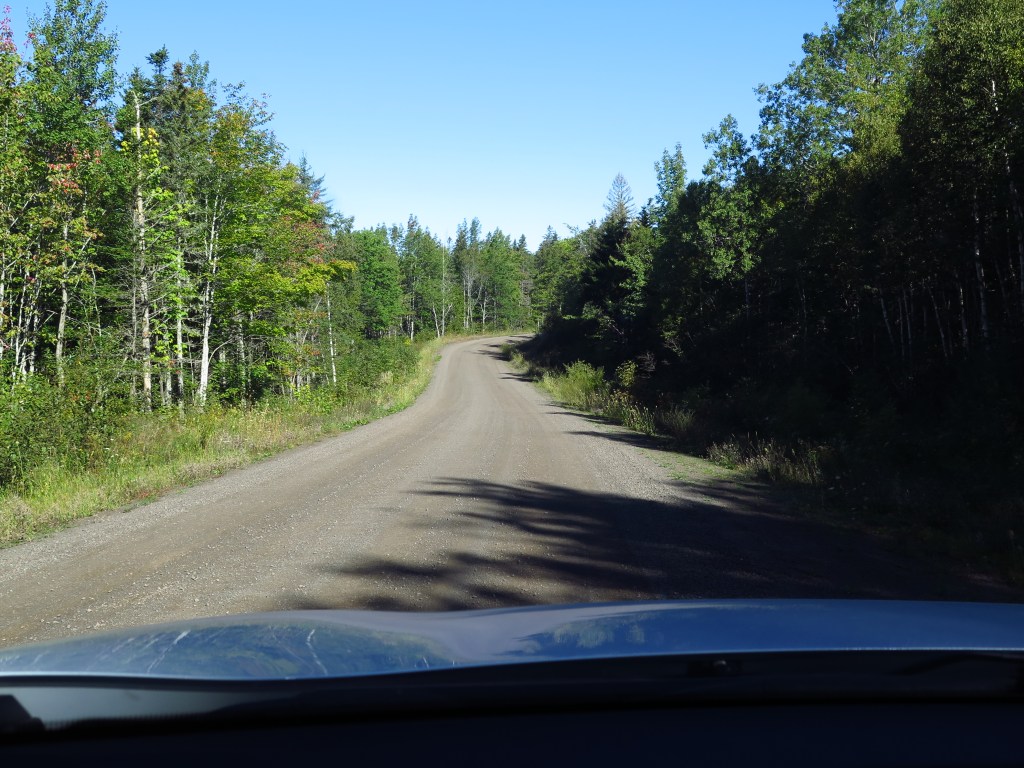
I understand the lure of good tarmac; as rallymaster for the Tarmac Trial last year, I see the attraction of not having to worry about dust, flying gravel, mud, etc., and the joy of being able to bring a more pavement-friendly car to a rally. That’s what the TT was designed to do and I get it. But at least in my part of Nova Scotia, good paved roads with good connections and variety are hard to come by. Given the a/m parameters and other considerations, it’s not easy.
So what to do? Here are a few points to ponder:
- ensure we choose the best possible gravel roads. We strive to do this anyway, but it’s always a good idea to keep it in mind and seasonal variations can wreak havoc on the best-laid plans;
- increase the pavement-to-gravel ratio on any given rally, notwithstanding the fact that a lot of gravel roads are in better condition than their paved counterparts;
- ensure rallymasters clarify to competitors what types of vehicles are not recommended on a particular rally. We try to choose roads where everyone can enter regardless of what they’re driving, but I understand it’s a subjective thing;
- gather route ideas/map plots from competitors to add to a database of known roads/areas; and
- recruit rallymasters with road knowledge from other areas of the Atlantic region.
Is there anything you would add? We’re always open to suggestion and constructive criticism, balanced by an understanding of other contributing factors which may be have an effect during the rally. But let us know of anything and we’ll be happy to consider it.
We look forward to seeing you in Dayspring for the start of Lost in Lunenburg on October 17!
 Road Rally Development Group
Leave a comment